Friday, September 3, 2010

Vivian Creek Trail to Gorgonio Peak

During the last weekend of July, my friends Kevin, Chris and I did a local hike to Gorgonio Peak, the tallest peak in so cal at 11,499 feet. We made it an overnight backpacking hike and camped out at Halfway Camp, a lower elevation campsite about 1/4 of the way to the top. The nice thing about this campsite, is that it allows you to set up camp and unload some of the weight earlier into the hike, making things easier the rest of the way.

Campsite Pics


Vivian Creek trail is known for being one of the tougher hikes in the area due to its consistent elevation gain of 5,600 feet (1 vertical mile) on its 8 mile hike to the top of Gorgonio Peak, while offering the hiker very little rest, with flat sections. The trail tests your endurance from the very beginning as the first 2 miles of the trail take you through some of the steepest part of the trail. The trail also makes you work extra hard the last 2 miles of the trail, as it once again becomes the steepest as you begin the ridge that leads you to the peak.

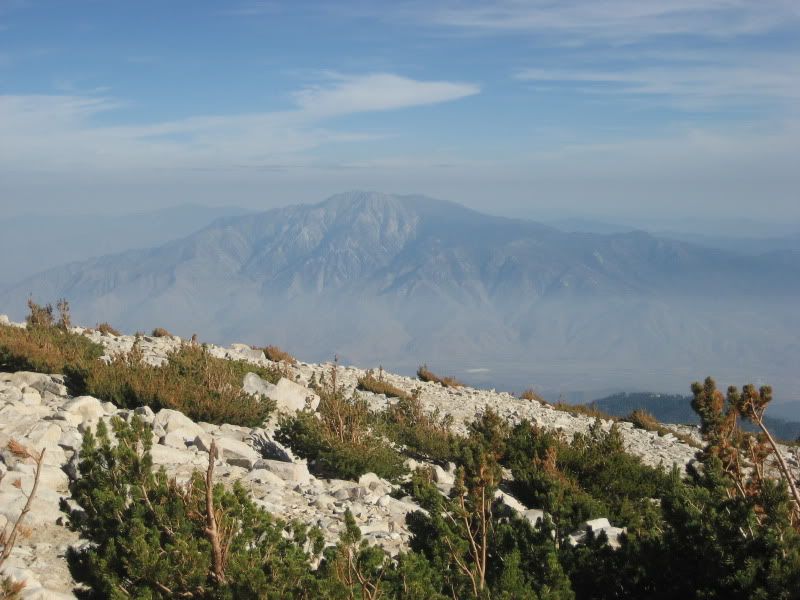
It is a scenic trail that tests your endurance, and cardio shape on its 16.5 mile round trip distance. It certainly helps being in shape for this trail. However, those that get to the top are blessed with great views of the Coachella Valley, San Jacinto Mountains, and the local San Bernardino Mountains.

Pics From the Top


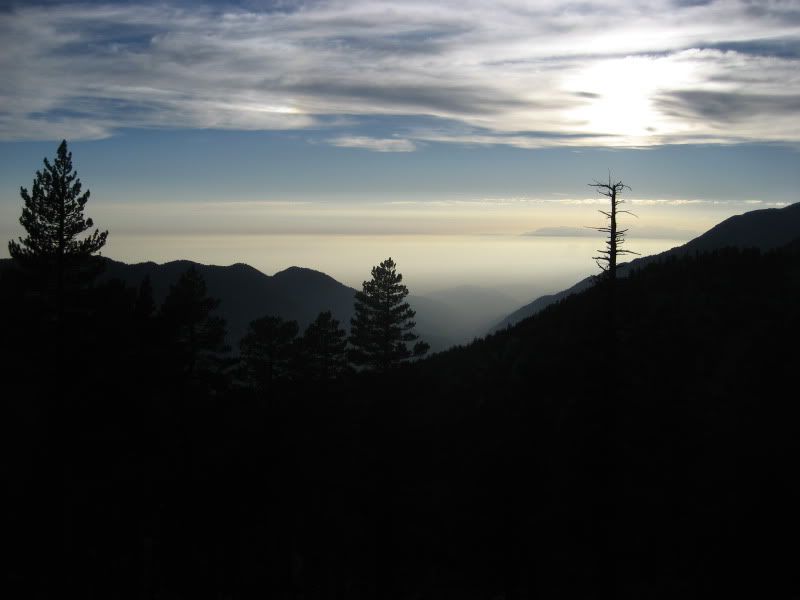
Sunset Views

Sunday, June 6, 2010

Puerto Vallarta and Guadalajara Trip May 2010

It was in my plans to make another trip down to see my extended family in Puerto Vallarta, and Guadalajara. With a bit of planning and budgeting, I decided that May was as good a month to make the drive and spend a couple of weeks in Mexico. I also wanted to do some exploration of Mexico's Western Sierra Madre, and specially la Sierra Huichol as the part of the sierra where one of Mexico's most colorful indigenous people still live.

There is much media attention about the crime waves going on in Mexico. I believe that much of the media is sensationalized, and with a bit of precaution, and common sense, Mexico still offers both local and international travelers a great experience and fun memories. I made the drive down to Guadalajara in 2 days, that is roughly 1300 miles, and a lot of gas refuel-ling. So needless to say the days were long, and I didn't stop to do any sight seeings anywhere, but stopped only to refuel, have some food, and to get some sleep in a comfortable hotel.

As far as check points were concerned, there were plenty. But all my documents were in order, including the vehicle importation permit, which was requested during a couple of the check points on the way down. Besides that, the check points were a non issue, on the way down and on the return trip. It is helpful to be respectful and friendly to the authorities and be open to small chat if requested. Besides the usual questions of our destination and purpose of the trip, I had to answer a few questions regarding my vehicle, which tends to get a fair share of attention.

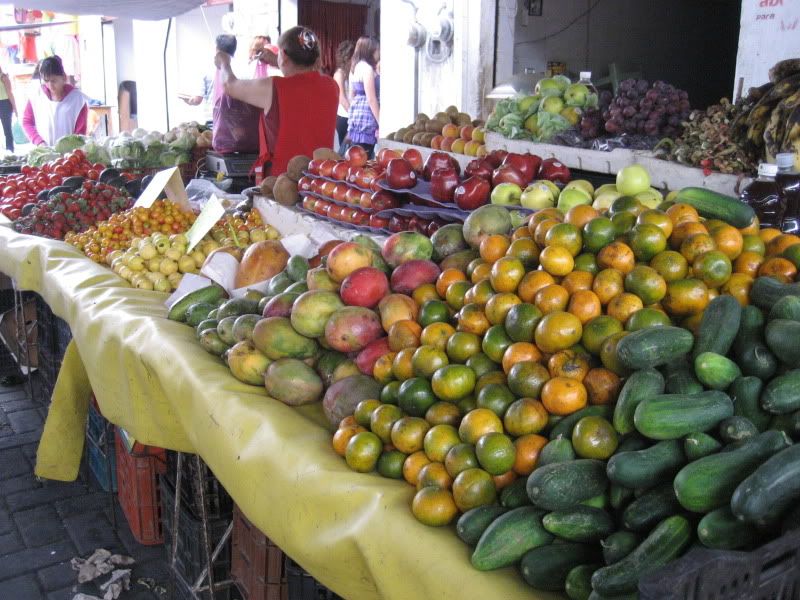
We stayed in Guadalajara 3 days, given us just enough time to spend some time with family. One day was spent doing some shopping in Tonala, which is a great hand crafts and arts market. We also went to the busy market San Juan De Dios, which also offers the shopper a variety of goods ranging from traditional garments, to fruits and vegetable stands. That area is bustling with people as the colonial is a densely populated and filled with neighborhood restaurants and stores.

Tonala Fruit Stand


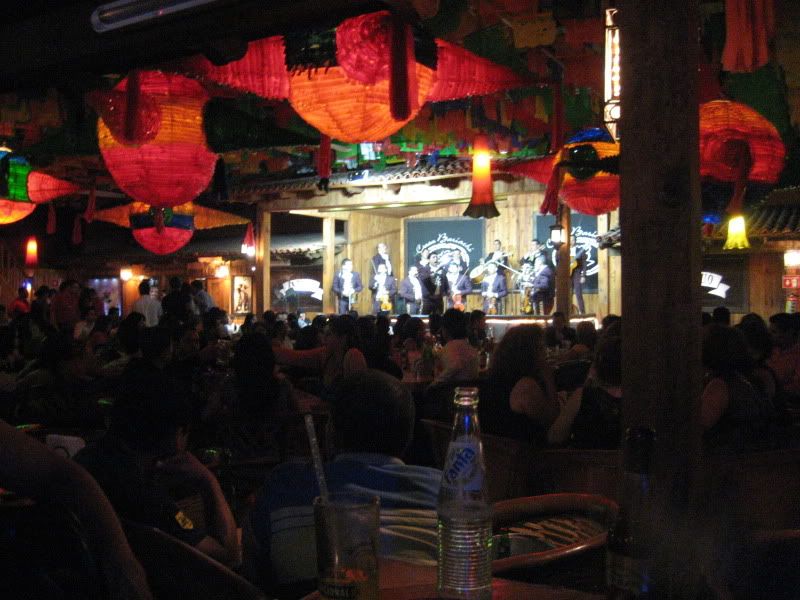
That same night I was invited by my cousin Livier, her husband Roberto and niece Nayeli to the hip Chapultepec district for a night out in the town and we went Casa Bariachi, a lively place that played good Mariachi music and served good traditional Mexican food, along with a complete list of tequila, and beer selection.

Casa Bariachi in Action


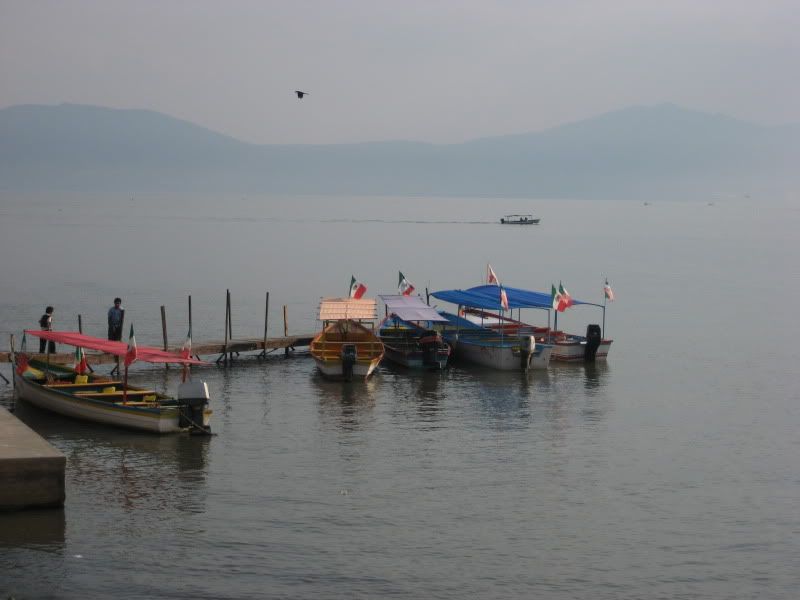
While in Guadalajara we also took a short drive to Laguna de Chapala and drove through the lake's quaint neighborhoods like Ajijic. I really enjoyed driving trough the area, and I wish I could have stayed a couple days there just being a tourist and enjoying the lake views and walking the neighborhoods' cobble stone streets filled with old colonial homes.

Laguna de Chapala


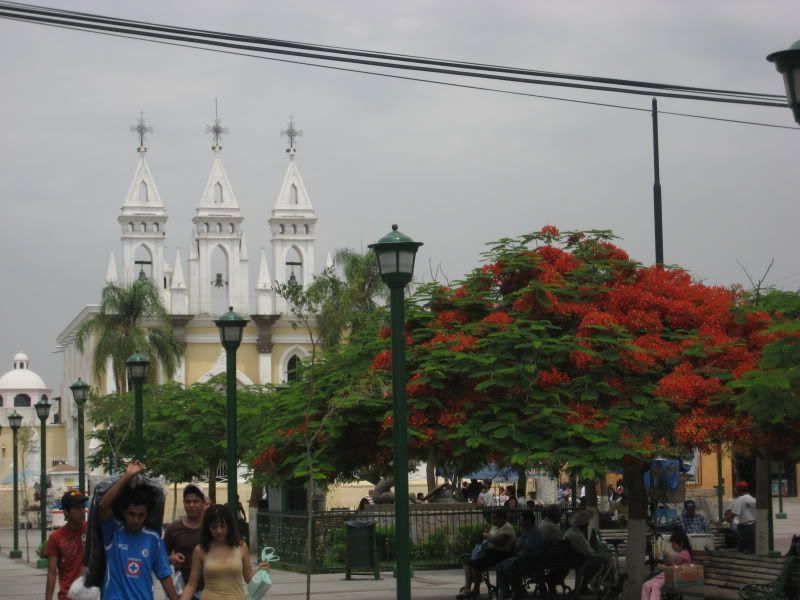
Soon it was time to move on to visit my cousin Rosita's cattle ranch near El Llano Grande, Jalisco. To get it would require we drive through Talpa, a town mostly known for its Virgen de Talpa, and its temple. Talpa gets a large amount of visitors who make the pilgrimage trail to give thanks to the Virgen de Talpa who is known for her miracles. Talpa is located about 3,900 feet above sea level, on the Sierra Madre.

Talpa De Allende, Jalisco


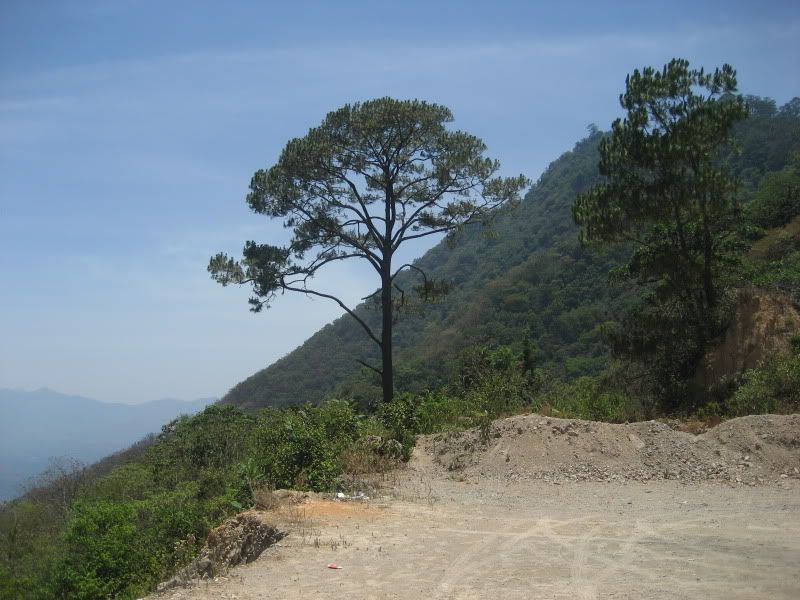
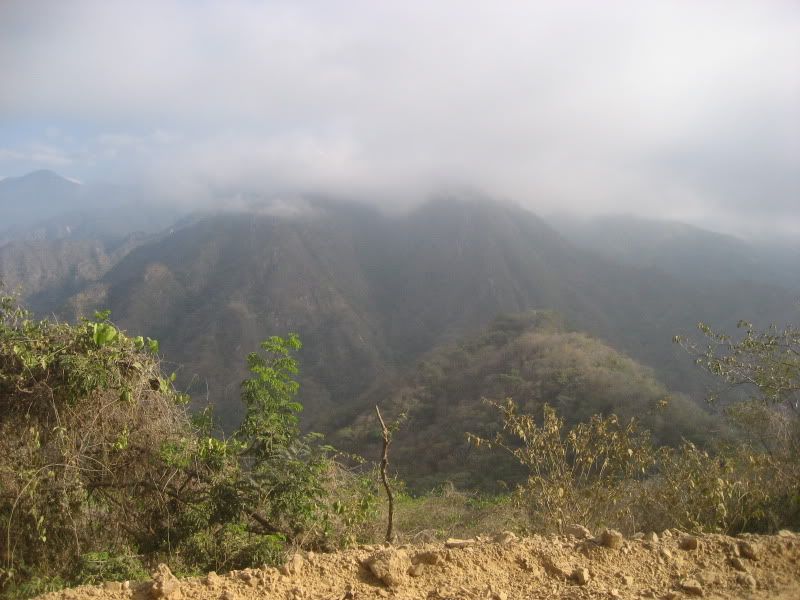
The dirt road can be scenic, specially near the top of the sierra as it is a series of switchbacks to get to the lower elevations.


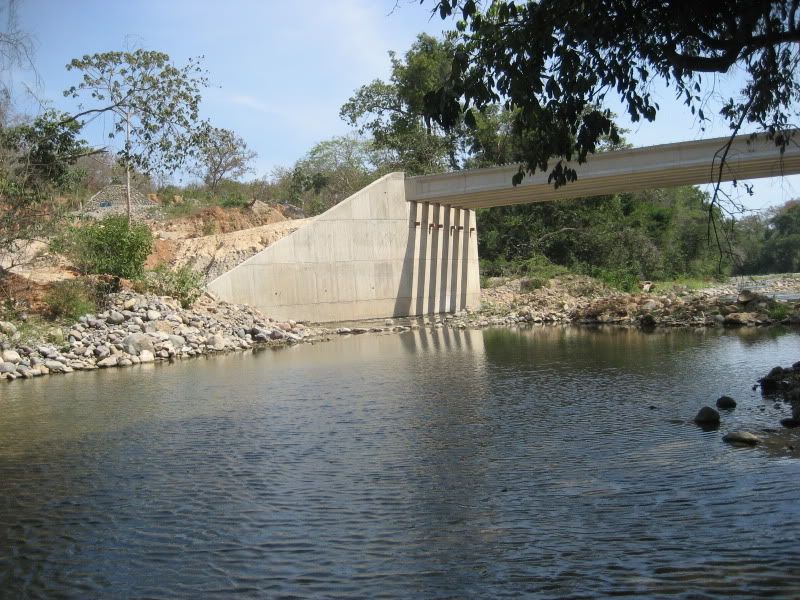
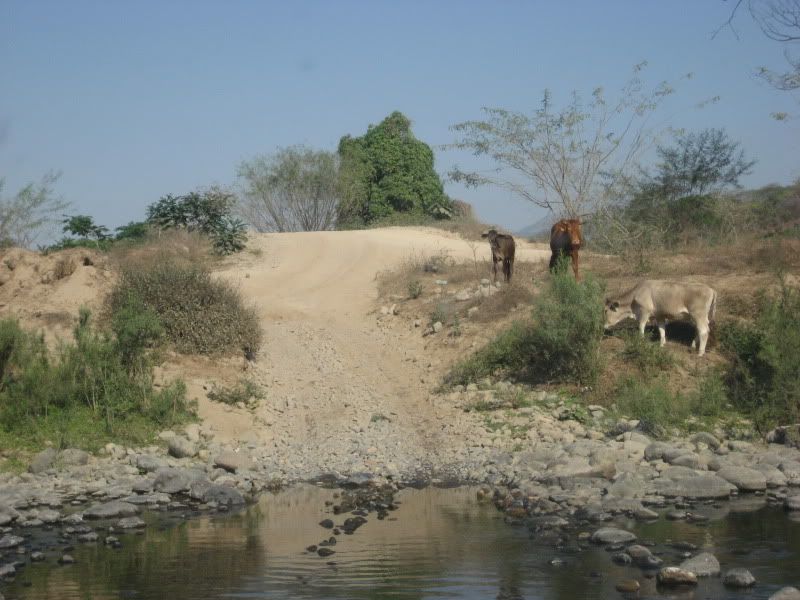
There are also a couple of water crossings that can be a real challenge during the rainy season. Last year at the water crossing where the bridge is being built, a gentleman lost his life when he attempted to cross the river in his truck during a recent storm. To his bad luck, he got caught in the middle of the water crossing by a surging river, dragging his brand new truck about 100 yards, and tumbling it, along with him inside it. Sadly, his lifeless body was found many more yards down river hours later.

water crossing


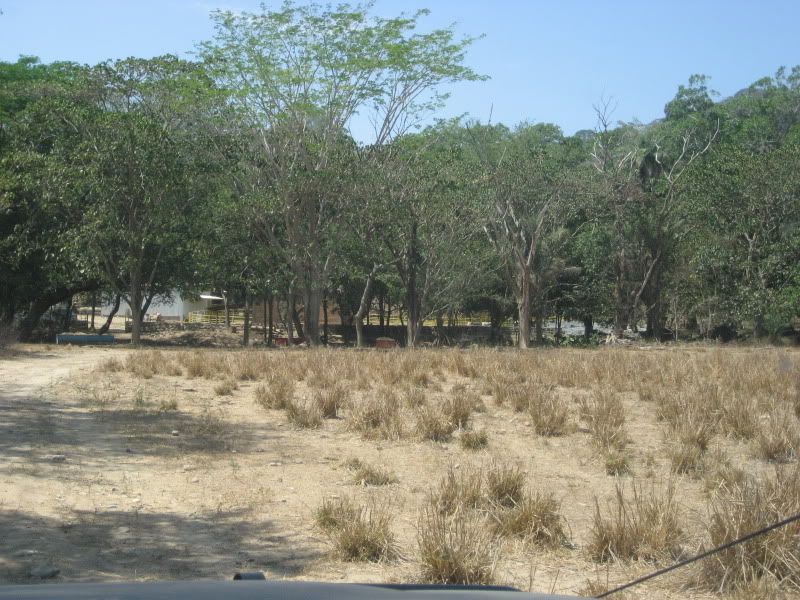
We used El Llano Grande as a resting place, as we were busy out and about driving around visiting near by villages like El Cimarron, were we spent a bit of time by the river. The next day we headed off to the cousin's ranch a couple of miles south of town to spend the day.

El Rancho de Rosita


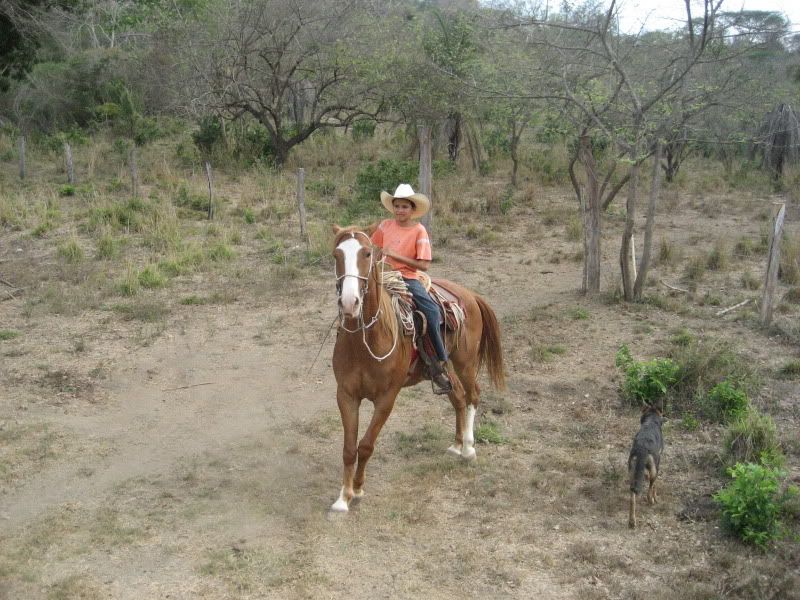
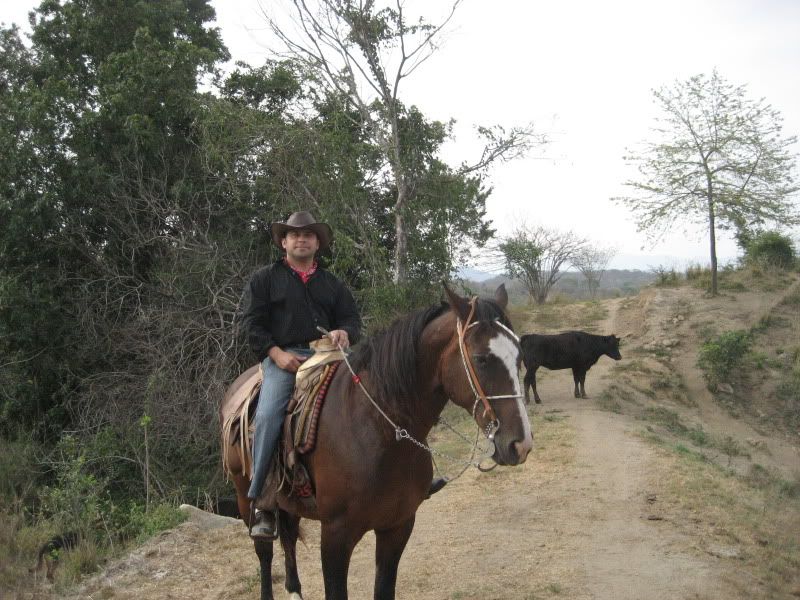
I managed to play cowboy for a day, as I was offered a well trained horse to ride, which called for me wearing some boots, along with the spurs, something no self respecting vaquero would ride a horse without. Some of us at the ranch went down to the river and dipped in the pools. After wards we ate some great food consisting of beef stew and chicken soup comprised of a freshly killed gallina (chicken) from the ranch stock, along with fresh grown vegetables. Soon after I got on my horse and went up in the hills exploring with one of my young nephews, who happened to be a much better cowboy, as at the ripe age of 13, he is a master with the rope and skilled at riding horses.


Anyways, I got the opportunity to brush my horse back riding skills and assisted in herding some of the cattle roaming on the ranch property up in the hills and brought them back down to the lower level. Again, that was a fun day for all of us, especially for me.


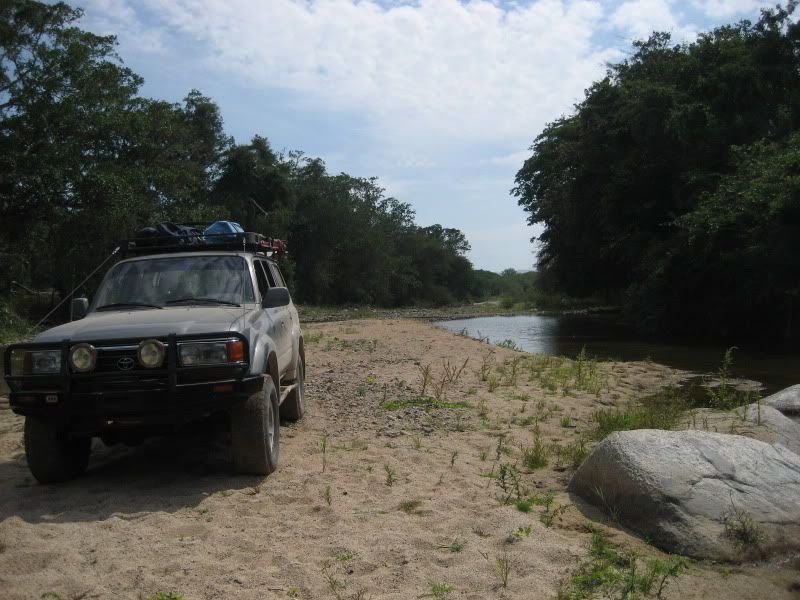
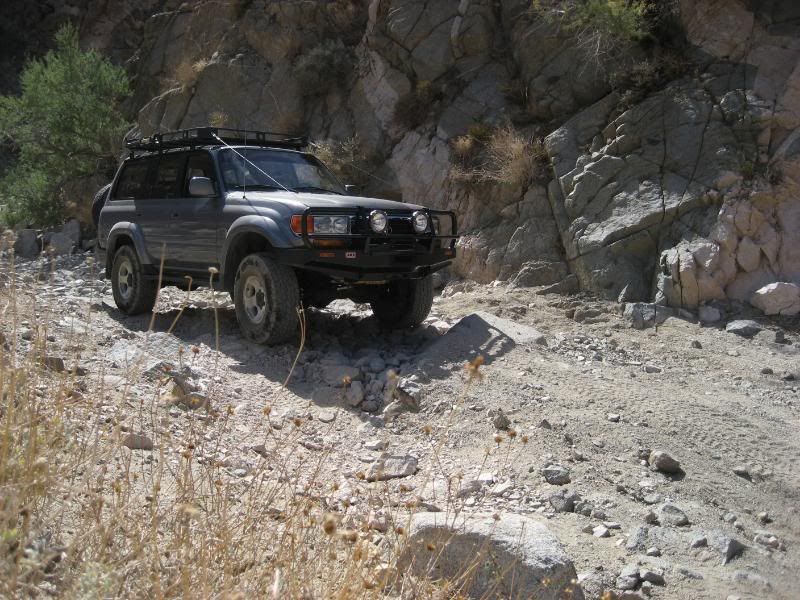
I only wish the river would have had more water flowing, as it would have given me yet another opportunity to test my water crossing skills on my Land Cruiser. During the rainy season, that river can be impassable as it becomes too strong and can drag cars, and horses along with its riders down river.


Early morning the day after, we loaded up the SUV and once again got on the road towards Puerto Vallarta via Tomatlan. From Llano Grande, it is about a 35 mile drive on a washboard road to reach Tomatlan.

On the Way to Tomatlan, Jalisco


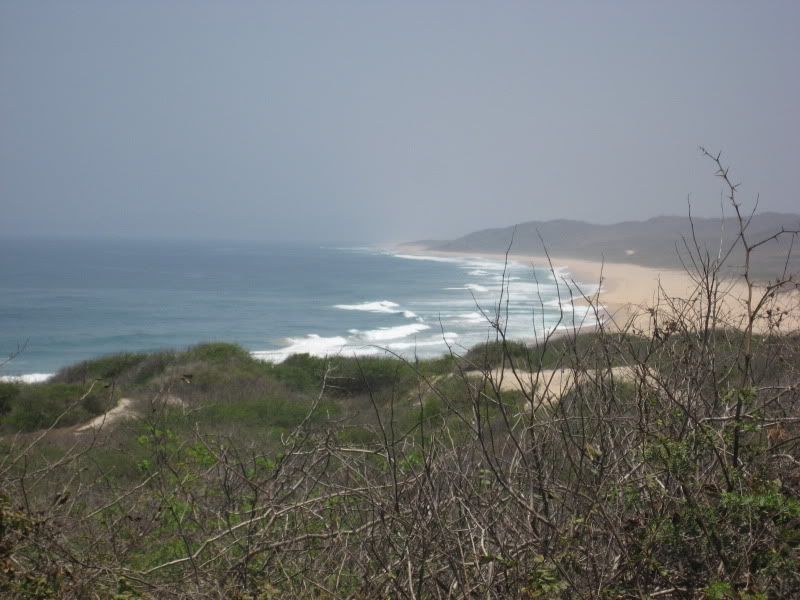
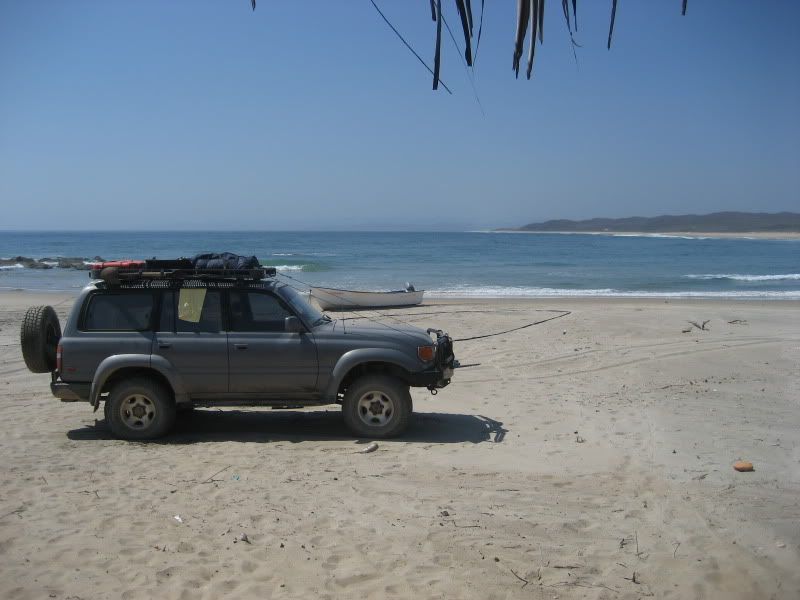
However, due to the poor stage that the road is in the drive is very slow going. Furthermore, washboard roads can be brutal on a car, and its passengers. One is forced to adapt to the road conditions and in this case, we could only go slow in most cases. At one point, even the Hi-Lift jack came loose from its jack mount, nearly braking the side window. Luckily I managed to stop the vehicle immediately after I saw the jack hit the window and then rest on it. That was a close call. I have to hand it to the engineers for making those windows so sturdy against impact, those Hi-Lift jacks are not light. After making our way past Tomatlan, we took a detour at Cruz De Loreto a few miles north of Tomatlan. My goal was to visit a local beach north from Cruz De Loreto. I had previously seen some video footage on YouTube and had read a bit about the natural beauty and pristine location of Punta Peñitas. Once we got there I was not disappointed. The beach was exactly as I had imagined it to be. Pristine and devoid of any infrastructure or services within its vicinity. You have to plan ahead and buy provisions and food at Cruz de Loreto. There are no services at Punta Peñitas, but a few ramadas to take shelter from the sun. Unfortunately the surf was small at 2-3 foot. But I still managed to paddle out for a solo surf session and catch a few waves around the middle of the beach. I can see how there could be some potential for catching some good surf on a day where there is a South or North Swell running. I specially enjoyed how clean and clear the water was, as you could easily see the bottom, along with schools of very small fish colonies swimming around you. My mom, uncle Luis and cousin Ester also enjoyed themselves trolling the beach and getting in its cool water. It was a win. I loved the beach for its remoteness, scenic qualities and surf potential.

Some Pics of Punta Peñitas


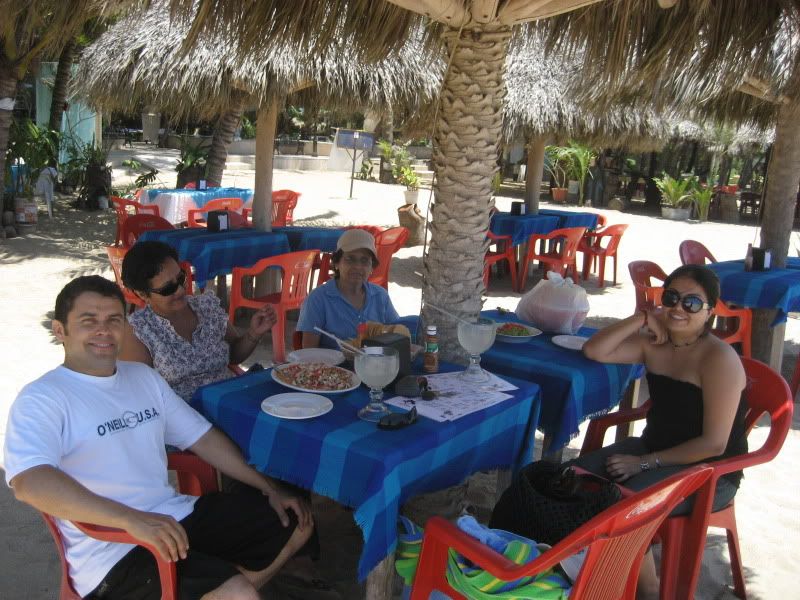
About an hour and half after we got back on the main road at Cruz de Loreto, we reached Puerto Vallarta. Again I stayed in town a little over a week, spending time with more family and attending some family parties and get together. I also took the opportunity to do some maintenance on my truck thanks to my cousin Pin, who works along with my uncle runs an auto repair shop in town. It was during this time that I noticed a small radiator leak coming from the top. After careful consideration and sound advice, I decided to use some radiator stop leak and see if that could be a temporary solution to the leaky radiator problem. It turned out as expected, and didn't see any more water leaks during the rest of the days. Some of the activities I did while in Puerto Vallarta was drive up the coast and visit San Francisco, Nayarit, where I invited one of my aunts, cousin Isabel, and my mother and had a good lunch at one of the restaurants on the beach. The food was as expected, fresh and delicious.


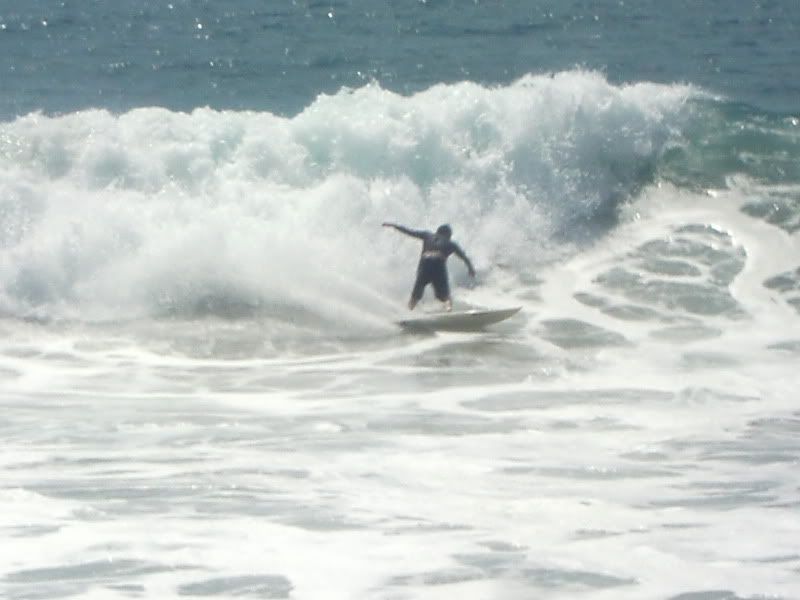
Seeing how there was a south swell in the 6-8 foot range, I had to paddle out for a surf session after lunch. The surf was consistent on the sets, but as typical of the place, the waves can close out so you had to be patient and choosy and wait for the set waves with the better shape. I managed to snag a couple and worked the carvable outside sections into the inside where it was either giving you an opportunity to pull in for a close out barrel, or float the section and hope for the best.


After wards I stopped by my little shack 4 blocks up the beach, and visited with some relatives I have in San Pancho. Later on at night I went out with Judith and Isabel for a walk down the malecon and ended up at La Bodegita Del Medio, a fun Cuban restaurant and bar that has live Salsa and tropical music. It was a great time and a classic day. The kind of days you look forward to experiencing during your travels. We had some much fun at that place that we went back another time.

After getting the preventative maintenance on my vehicle out of the way, I was ready to look into the trip to the Sierra De Los Huicholes. I will write about it on a separate blog, as it warrants its own focus.

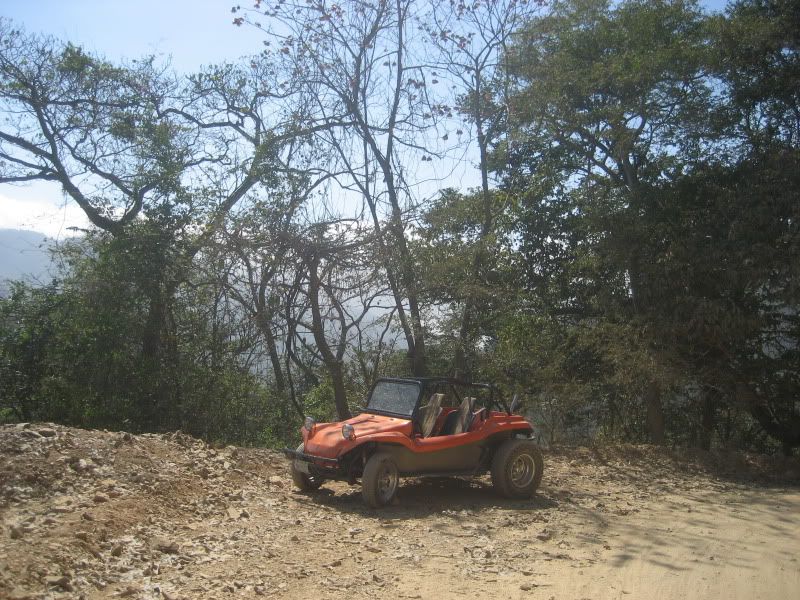
Other fun stuff I did while in Puerto Vallarta was going up some dirt roads on my Cousin Pin's boogie. It was a blast going up the Sierra Madre's switchbacks on an VW powered open top boogie.


Another time I got the opportunity to try my horse back riding skills again and make a horse dance, which I am happy to say I made it dance. It was something I always wanted to try, and am glad for the gentleman who loaned me his well trained horse during the course of a song. This happened on the night some of us went out to celebrate cousin Isabel's birthday at a hip local campestre retaurant and bar in town. I also took another family trip to Mascota, Jalisco, where we had a really nice country style lunch at a restaurant at the Village of La Estancia. This is become some sort of tradition for the uncle and aunt, whom make it a point to stop there for either breakfast or lunch on the way to Mascosta whenever they decide to get away from PV.

I didn't want to come back so soon. But the reality was that I had some things to take care of at home. I got on the road on a Tuesday morning and returned traveling the same autopistas (toll highways) we had traveled down. We rested in Navojoa Sonora for the night and were back on the road early the next day, covering some 700 miles on the second day to make it back home in 2 days. Again, had no issues on the road, at the various check points. I even got lucky and didn't have to go through the dreaded secondary inspection when crossing the border into the United States, something I somehow expect whenever you tell the border patrol officer that you traveled pretty far south like Puerto Vallarta. Maybe it had something to do with the relatively young and cute female border patrol agent who asked me the usual questions, was professional yet had a hint of friendliness.

Here is a link for more pics.
http://smg.photobucket.com/albums/v228/bohemianjsr/60%20Puerto%20Vallarta_Talpa_San%20Pancho%20May/?albumview=slideshow

Sunday, October 25, 2009

An Introduction to Tahquitz Rock

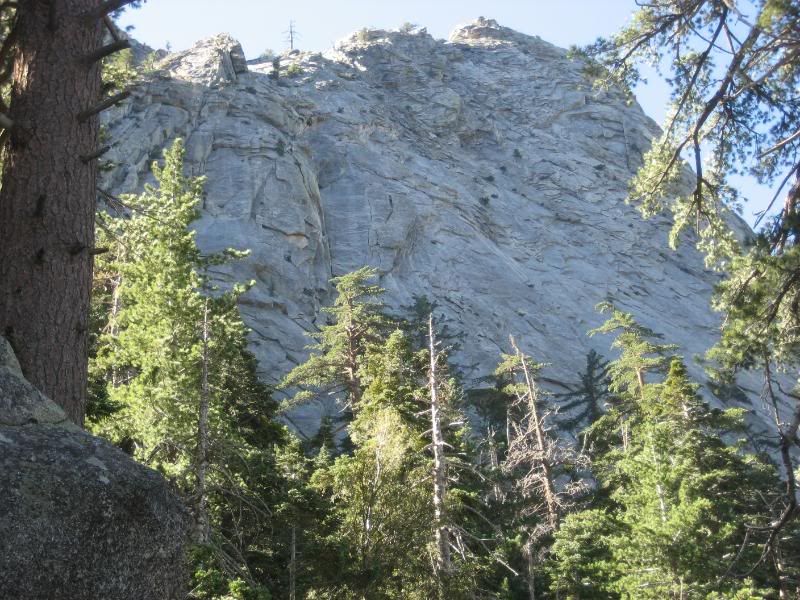
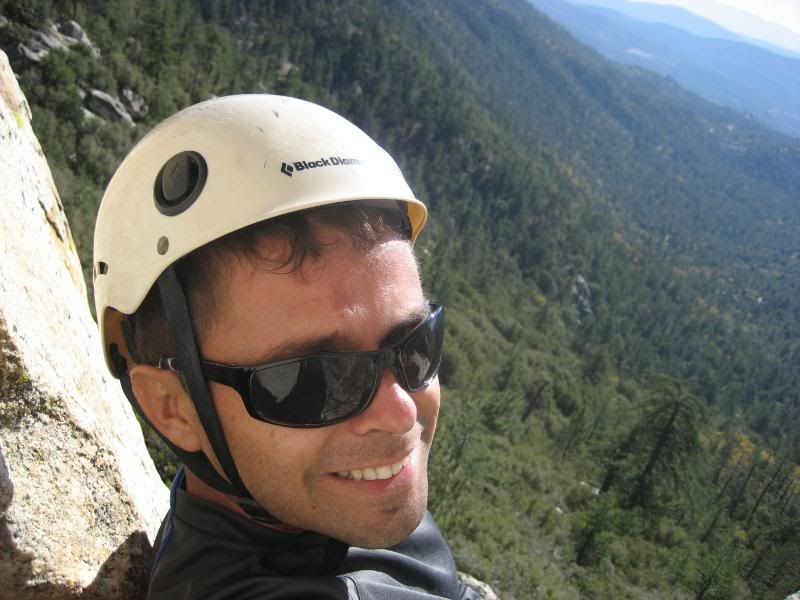
Today, my friend and rock climbing partner Kevin and I found ourselves having to scramble down a steep mountain on our butts literary. I probably had more butt time than Kevin for that matter. Part of it was due to the steep terrain that we found ourselves on. We were on the base of Tahquitz rock, a statuesque monolith of granite rock located above the mountain town of Idyllwild in San Bernardino County, on the western slope of the San Jacinto mountain range.


But there were other reasons besides the steep angles we were dealt with. One main reason being the trails were loosely defined, so we took a what you would call a straight scramble down from the location we had been rock climbing earlier on the rock’s west face. Perhaps yet another reason was that it was the first time we were exploring the rock, so besides carrying a hand written map of the area, a book of Tahquitz rock climbs, we could not really easily identity a traditional trail to and from the mountain, a sentiment shared by another pair of rock climbers at the parking lot who said they always seen to come down a different trail during their climbing sessions there. Well, to be fair, one trail on the hand written map sheet, had a 3.9 mile trail description to our destination, but we were leaning to the trail directions I had downloaded from a rock climbers’ website off the internet that said it would take about 45 minutes to get to from the parking lot to the rocks west face area.

For me, yet another reason was that my Keen sandals, in spite of being impressed for their multi use and descent rock grip and ankle support, did not fair so well scrambling down over loose dirt and rock debris, in addition to dry pine tree needles that covered most of the solid rock base underneath all that. I guess the Keen sport sandal’s wide foot design made it difficult to dig the foot into the soil for additional grip. Needless to say I was slipping and sliding for most of my way down, and trying to get down the mountain before sunset (we finished our climbs and packed up sometime after 4pm.) Ironically, the actual climbs Kevin and I did on the rock’s face earlier turned out to be much more mild than the harrowing scramble descent down the mountain. Both Kevin and I agreed that it would have been much safer and better to have double taken a look at the long way back on the “defined” trail than the option we took, but at least we did manage to get to the parking lot in 45 minutes. Maybe the poster on the rock climbers’ website was right after all. All in all, I did take a couple of spills, but I felt limber and with quick reflexes, and obviously only suffered external scratches, but got down safely and injury free.

The day started early for both of us, as we left our home bases fairly early in the morning and met in the town of Idyllwild around 9:30 AM for a planned day of multi pitch rock climbing session on the famous local rock. After doing some research and taken into account my relatively short rock climbing experience (I might as well mention that I am afraid of heights.) we decided to look for climbs in the 5.3 to 5.6 range, and rating typically describing a climb adequate but challenging enough for beginner to intermediate rock climber. This was a first time climbing the rock for both of us. I must say that the rock sits in a forest area that has breath taking views from all angles. At the base from where you start your climbs, you are already standing above elevations of 7,000 feet. You can see as far as your eyes can see to the West, and North, to the east, your view is blocked by a towering San Jacinto mountain range, covered with huge pine trees.

Warm Sunny Day at Tahquitz Rock

Also, the cool and sunny morning day turned into a perfect and mild 72 degree weather day, and stayed completely sunny. Sunny and warm enough to shed some layers of clothes and soak in the sun rays while we prepared our gear for the climb.

After some consideration we made it over the West facing side of the rock and did a 2 pitch climb on a fun, but challenging route.


Being that we don’t climb with enough frequency, we took extra time to review and go over climbing fundamentals, things like rope management, the important rope knot styles, setting safeties, belaying and communication, and securing one self to the rock where you prepare to proceed with the second pitch. A pitch is a section of a cliff that is climbed between two belay points (where one climbing partner is providing support and safety for the other as he/she climbs.) The length of a pitch is determined usually by a variety of factors, including a good belay ledge, rope drag, solid rock, and the length of rope. Pitches are never longer than the length of a climbing rope, which is either 165 feet or 200 feet. Most pitches on long climbs are between 100 and 160 feet long. Here is Kevin, going over the climb details on the reference book.

Kevin double checking the climb


I always find it easier to climb up the rock than go down, and besides being more difficult to come down a rock, I also have to learn to control my fear of heights, something you don’t get hung up on, while you are going up the rock because your are too focused on finding a way to climb up the rock and have little need to look down. That is why I focus on the rock sections closest to me, and what is above, and avoid having to look down from where I am on the rock. The goal is to keep moving cautiously. “Cautious but keep moving” I tell myself.


All in all it was a great day spent outside doing an activity outdoors we both enjoy, and agreed that we need to plan a couple more rock climbing days in the near future. Since the season is changing and things will only get colder and the mountain will soon get it’s first snow in the weeks to come, those climbing sessions will probably occur in Joshua Tree, another rock climber’s paradise, not too far from home.

Sunday, July 26, 2009

Big Sur Camping - Prewitt Ridge

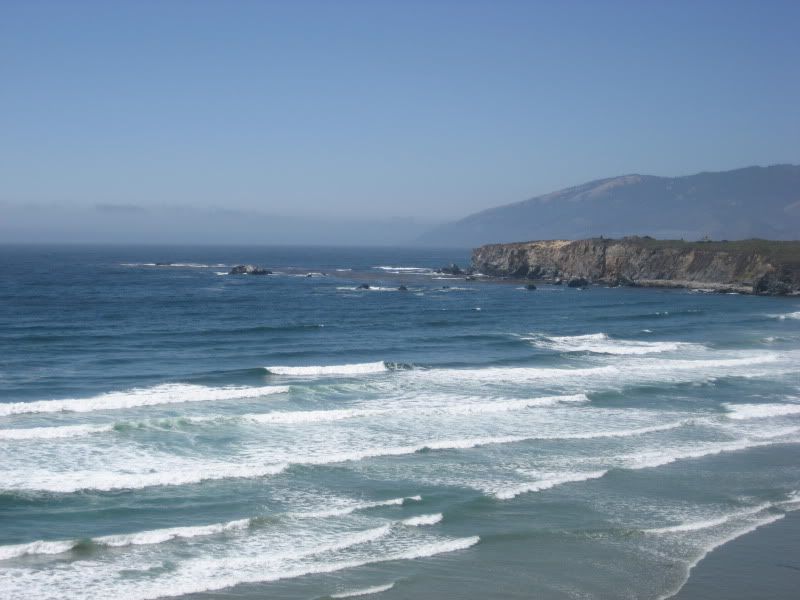
There are few places that embody the beauty of California’s Coast as Big Sur. Having spent some years living on the Central Coast, it has always held a special place for me, due to the geographic beauty and ruggedness as the stretch of coast between Carmel and Cambria.

I visit Big Sur, to spend time in nature, either surfing, hiking or camping. There are several campgrounds on the coast, including Pfeiffer State Park, Kirk Creek, and Plaskett Creek to name a few. These campgrounds provide a close experience to the coast, are developed with pit toilets and running water. The problem is that in summer, the high travel season thru Big Sur, the camp grounds are filled well in advance, and thus requires planning which can kill the spontaneity of loading up the car, heading north and expecting to find a place to camp for the night.


However, if you are into back country adventures, and do not mind primitive camping, there are several campgrounds found deep in Los Padres National Forest, that are available on a first come first serve basis.

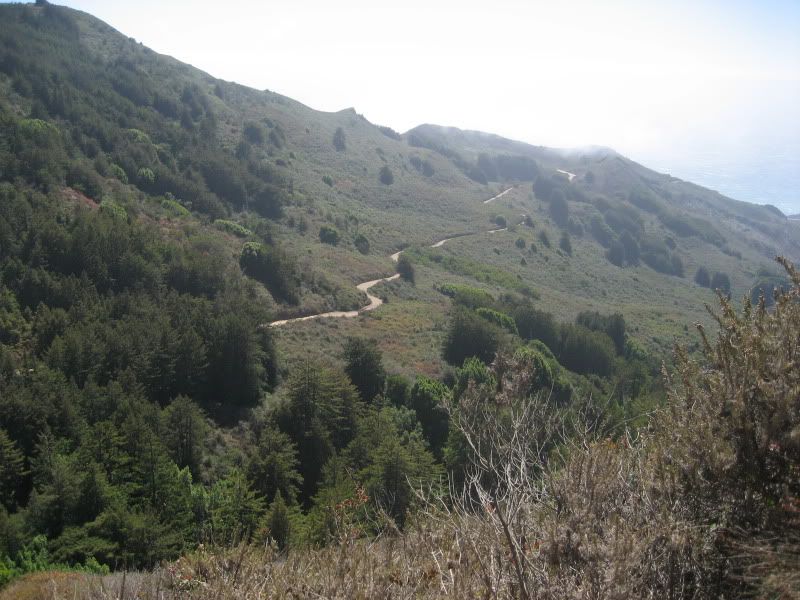
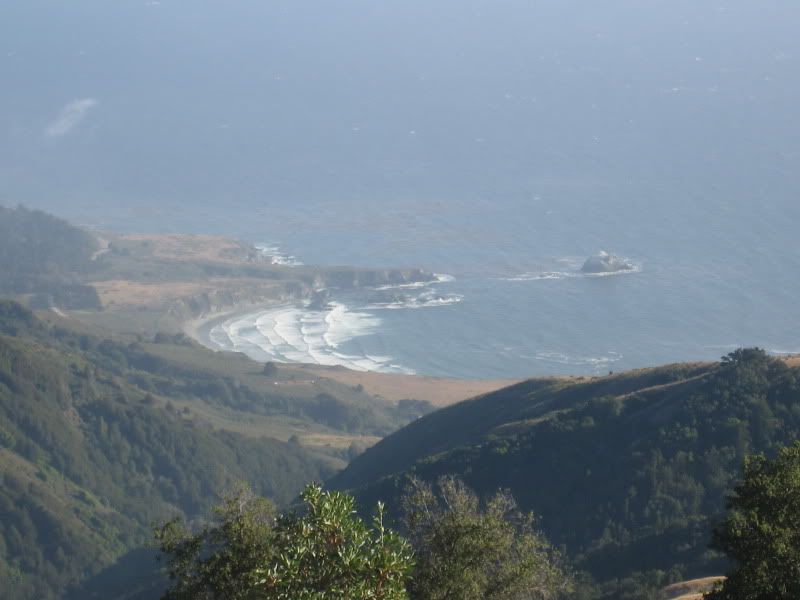
These campgrounds are less accessible National forest campgrounds nestled along remote dirt roads at higher elevations in Big Sur. As one would guess, the tip of the Big Sur mountains offer even more picturesque panoramas of the coast, compared to being along Highway 1. During my visit to the Central Coast this summer, I planned to do at least one day of back country driving and camping high on top of Big Sur. I monitored the weather channel for a day forecasted to be sunny, and on a short notice I loaded up the Land Cruiser with camping gear, food, and my surfboard of course, in case I would find some waves at Sand Dollar Beach (that was not to be during this trip.)

After doing some research on the internet, I focused on Prewitt Ridge campground as my destination, and after analyzing the maps and other data, I decided to make the drive up the mountain via the Willow Creek road, road 23SO1 (aka Los Burros Road.) Driving to the campground thru this route, guaranteed me more back roads driving vs. approaching the campground from Nacimiento-Ferguson Road. Los Burros Road, will intersect South Coast Ridge Road, which is the road that will take you to Prewitt Ridge Campground.


If you decide to make this trip, I highly recommend having a detailed map of the area. A GPS would also come in handy here, as there are many side dirt roads through out that can make navigating the area a bit confusing. You do not want to go down one such road and finding out that it is closed at a private property gate for example.

Also, while 4 wheel drive is not necessary, do be aware that the roads are narrow, and require paying close attention most of the way. Some parts that wind through the mountain forest are lined with brush and oak trees, and redwoods so thick, creating canopies that you can loose your satellite reception many times. Keep an eye for the seldom vehicle you are likely to see, especially when driving around curves. Not to alarm you, but driving off the road in some places you may as well have your will in order, as such a fall would likely result in an early life departure.

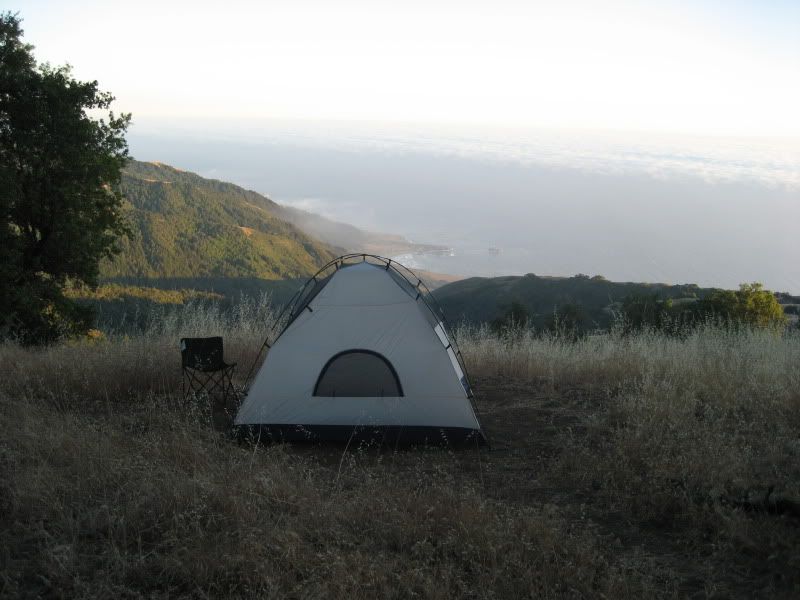
Along South Coast Ridge Road, there are a number of marked and mostly unmarked camping sites. At an elevation 3300 feet, Prewitt Ridge gives you about 180 degrees of unparalleled Pacific views, minus the crowds. I ended up sharing the campground with just one couple, whose tent set up was far from mine.


I was blown away with the beauty of the place, but did find the local bugs (flies and hornets) quite annoying during my stay, The only negative experience of a truly great day. Big Sur is God’s country and exploring the back roads high on top of the mountains, provides one with yet another alternative to enjoy its wild beauty.


For more pics cut and paste the following link into a new screen.

http://smg.photobucket.com/albums/v228/bohemianjsr/53%20Big%20Sur%2009/?albumview=slideshow

Wednesday, June 17, 2009

What is an expedition vehicle?

An expedition vehicle is a 4 wheel drive vehicle set up for self reliant travel in the back country, while covering long distances over variable terrain. As mentioned before, driving a reliable vehicle is first and most important, followed by having done the necessary preventive maintenance services as suggested by the manufacturer being a close second. As time and budgets allow, you will also contemplate adding modifications (mods) to prepare and customize your vehicle for the adventures your vehicle is likely take you on. In no particular order, the most important areas to consider are stated bellow.


Better Suspension and Tires


You more than likely need to have an aggressive tire that does the job on highway, while at the same time off road, and that comes with some of the traction and durability features that an All Terrain or Mud Terrain tire usually does. You are not looking for the biggest tire, you are looking for a tire size close to stock, and which size is easily replaced south of the border if need be. Try finding a size 35” tire in Baja, good luck finding one at a llantera. Make sure you also carry a full size spare tire. I am currently running a 295/75/16 Nitto Terra Grappler AT which equals to 34 inches roughly.

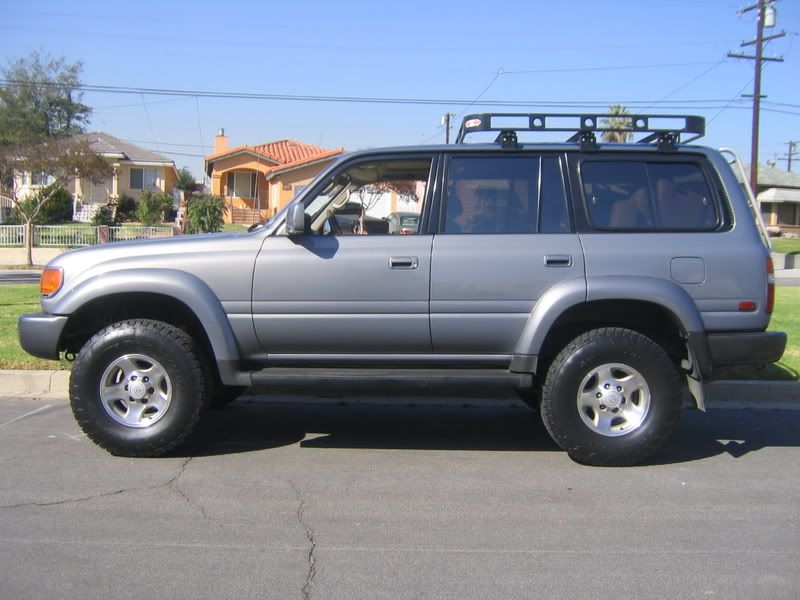
Lifts should also be kept to a minimum, 2 “ – 3” is a good bet, for improving approach, break over and departure angles. The added clearance of a small lift, combined with the slightly bigger tire, will give you the extra clearance you may need to get over obstacles and thus avoid scraping or hitting key truck components under the truck. An Australian outfitter (OME) sells a combination of heavy duty coils and long travel shocks for a very reasonable price. It is also surprisingly easy to do one self, it was one of the first things I did to my vehicle, which is adding a 3” suspension lift by replacing the coil springs. Actually I helped my friend Jessie do the install and learned a lot myself that day. Adding the lift along with the long travel shocks took only a couple of hours.


Engine

Engine and drive train should be kept stock. There is no benefit to "high performance" exhausts or other engine components that can complicate things during routine maintenance or repairs. If you are mechanically inclined, you want to be able to tear down the engine in the field if necessary, and don't need anything that'll cause the engine to operate outside of OEM parameters. Adding a second battery in the engine bay is a popular modification on expedition vehicles. The benefits is that you reduce the possibility of getting stranded in the middle of nowhere because of a dead battery. By having a 2nd battery, you can flip a switch, which by passes the dead battery and start right up.

Armor Protection

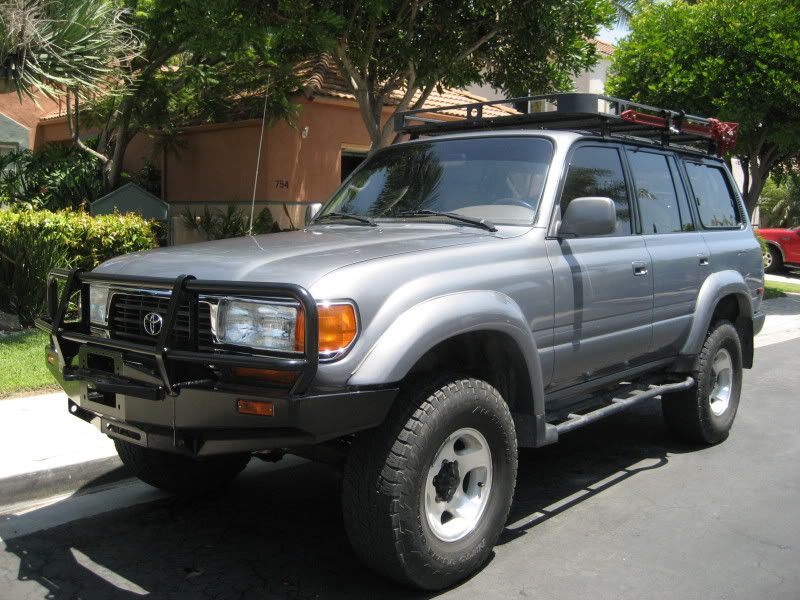
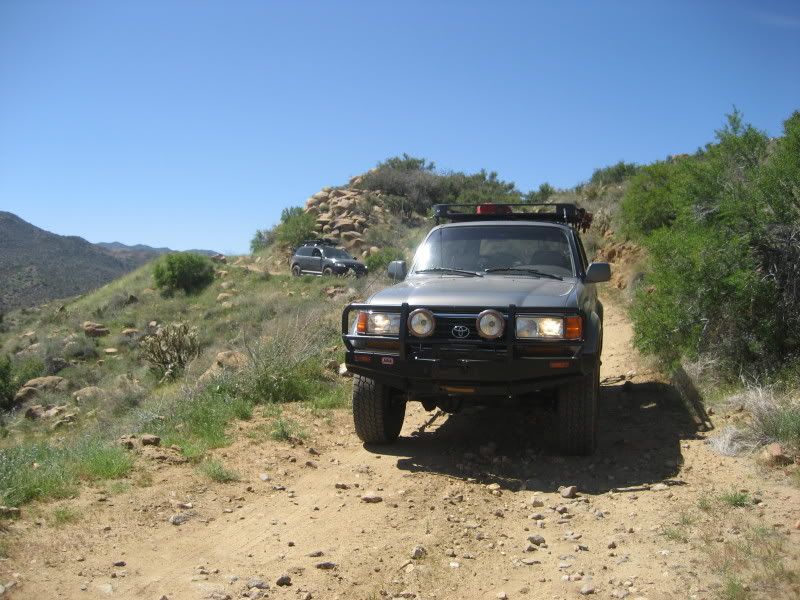
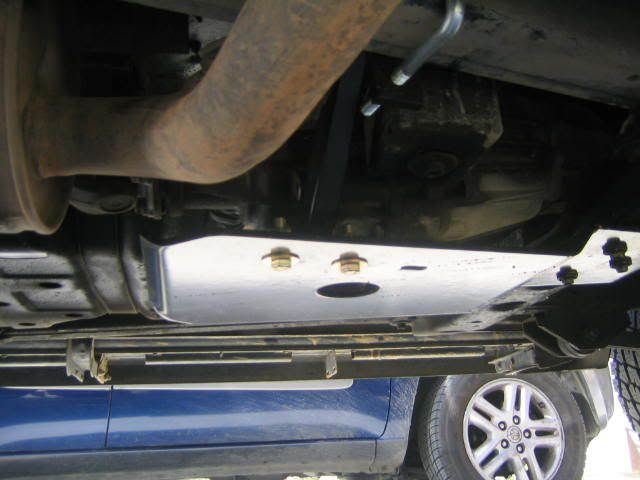
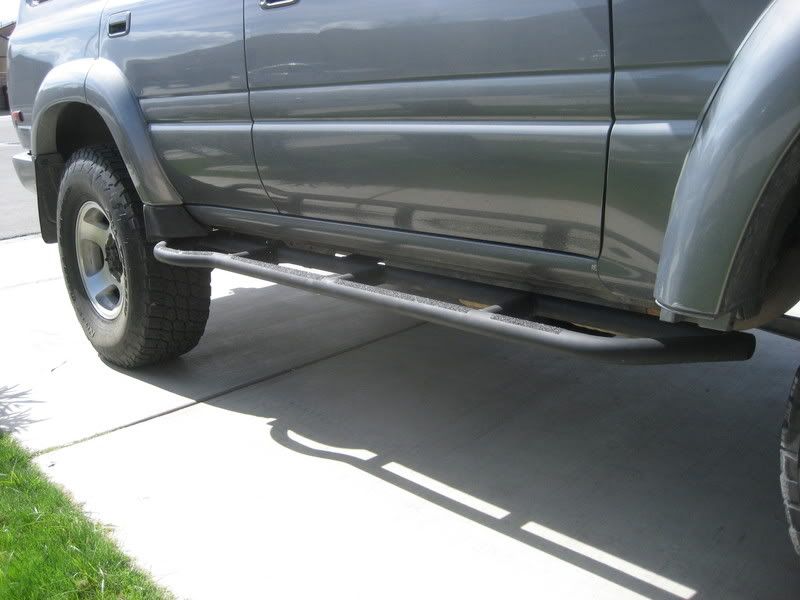
Having a heavy duty bumper that can take a substantial impact force from a moving object is also a good idea. You also need to consider adding body armor to protect areas like body panels which can be very costly repair, and thus a pair of rock sliders can go a long way to adding protection to the vehicle’s body panels while at the same time, provide places to lift from with your high lift jack. Adding a skid plate is also a good idea, you don’t want to crack your center differential by accident when going over rocks. That would not be good. I replaced the land cruiser’s front bumper with a winch ready ARB front bull bar, and added a center differential skid plate, along with bolt on rock sliders.


Storage Capacity


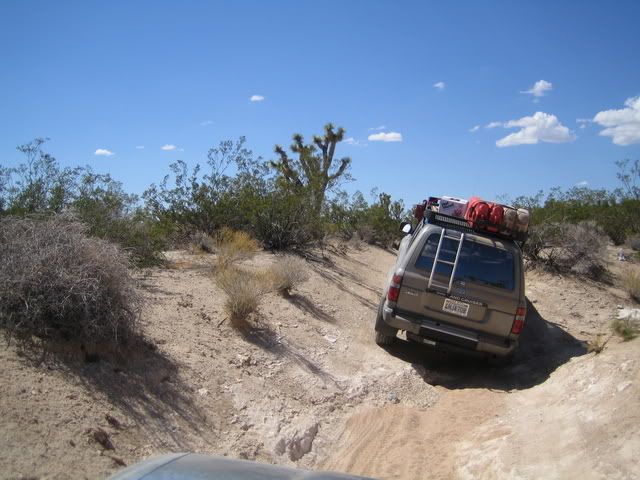
At some point you will have to consider how you are going to load up and haul your equipment and gear safely and securely. You will have to determine the best way to carry your camping equipment, recovery gear, tools, and key things like extra fuel and water. One popular way of adding capacity to your vehicle is by adding a qualify roof rack where you store items best suited to be carried outside the vehicle. By securing things properly on top of the roof rack, you can haul, your extra fuel and water for example in military style jerry cans, and bulky but light equipment like sleeping bags and tents, in addition to surf boards, wood, etc. My truck is equipped with a Conferr 4’ x 6’ full size rack, mated with a tough, durable poultry flooring for the floor board. I added mounting tabs so I can mount the highlift jack on the side of the roof rack, in addition to the shovel.


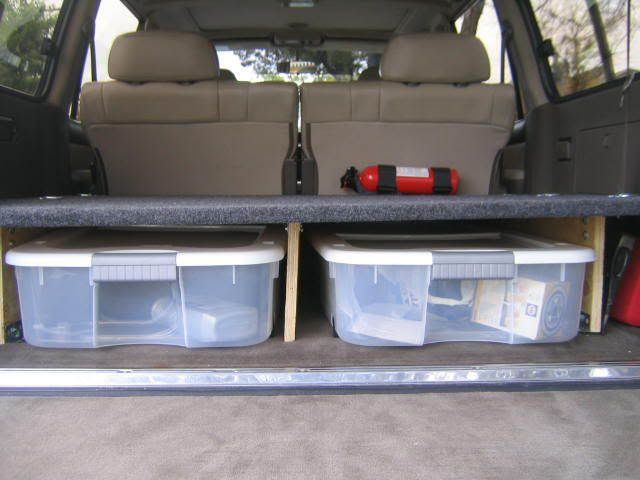
With the help of my buddy Marc, we also created a low cost but efficient storage system where I carry a list of tools, spare parts, and recovery gear, hidden from the naked eye.


Lights and Electrical Accessories


Good driving lights are an absolute must. Good headlights, and a couple of off road lights in the front, will come in handy during night time adventures. Also adding a couple of lights to the back is another good idea when setting up base camp at night and to help you see more when backing up out of tough situations.
I went along and added a pair of the Kragen 7" HID Off Road lights to the ARB bumper. Easy install. Great light pattern and can't beat the price over the name brand HIDs, in spite of being made in China, the perceived quality is satisfactory, and the feed back has been positive from other users so far. I had the chance to try them out thru a couple of Joshua Tree's Berdoo Canyon night runs. I am very satisfied so far.


The stock incandescent light bulbs in the doors and interior get hot and draw quite a bit of current. This poses a risk of draining out the battery if someone leaves doors ajar while camping in a remote location. LED lights draw a fraction of current compared to incandescent lights and can be sourced pretty inexpensively over the internet.
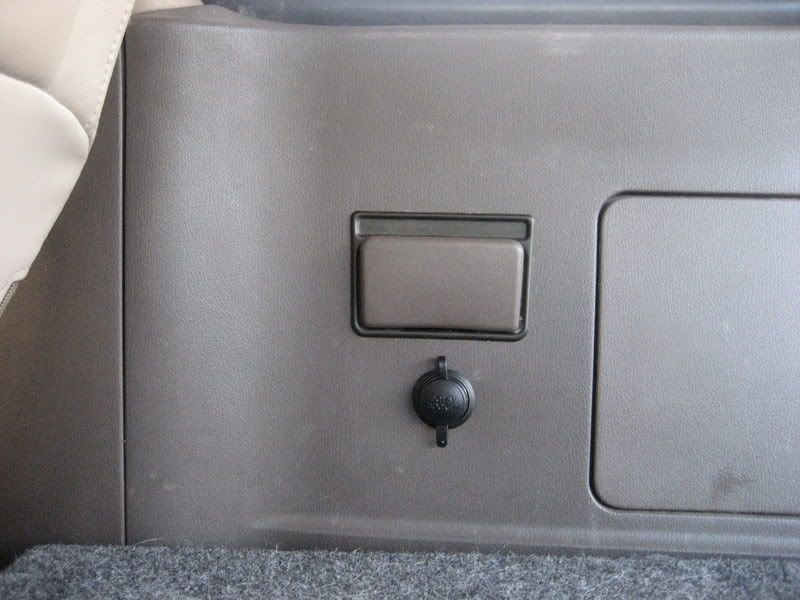
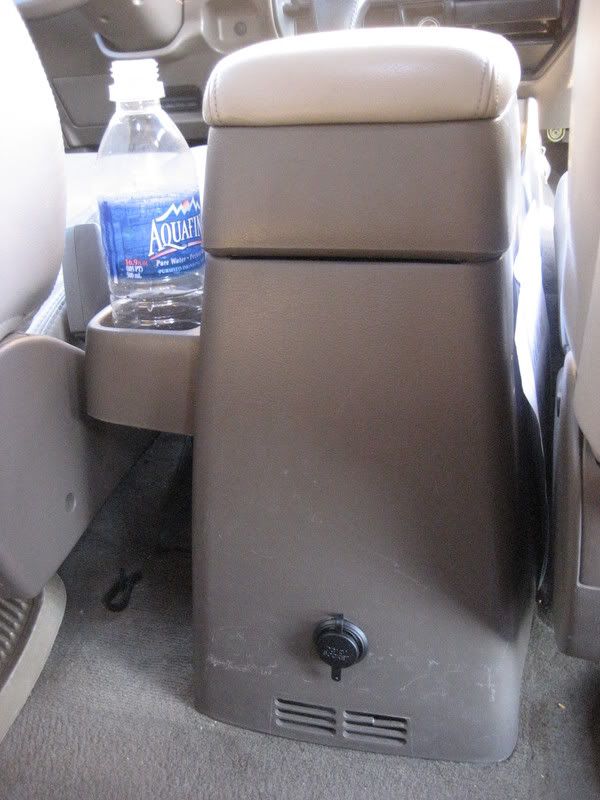
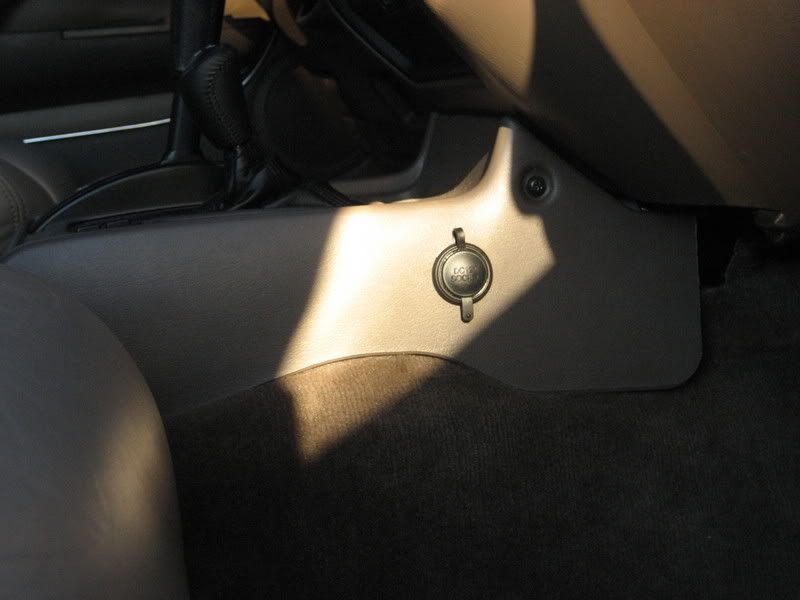
One of 80 series shortcomings is the fact that it only comes with qty 1,12v receptacle. Not nearly enough to power the many electronics one may be using at a time: GPS, laptop, CB Radio etc. etc. Therefore adding more is a must.


Emergency and Recovery Gear

The items here are all critical and should be well thought out according to your vehicle and needs. Having the ability to increase the air pressure in your tires, after airing down when going off payment is important. I carry an inexpensive 12v power air compressor with enough ump to power up my tires within a reasonable amount of time. Make sure you have a good working fire extinguisher, along with a set of recovery gear items like a highlift jack, tree strap, chains, shackles, tow strap, a shovel, even an ax. You never know when you may need them, usually at the most inconvenient time. Extra engine and gear oil, along with a descent list of hand tools and wrenches is also important. It is also a good idea to having a list of spare parts like drive belts, along with cooling system hoses. Having the manufacturer’s repair manual is also a good idea.

Navigation and Communication

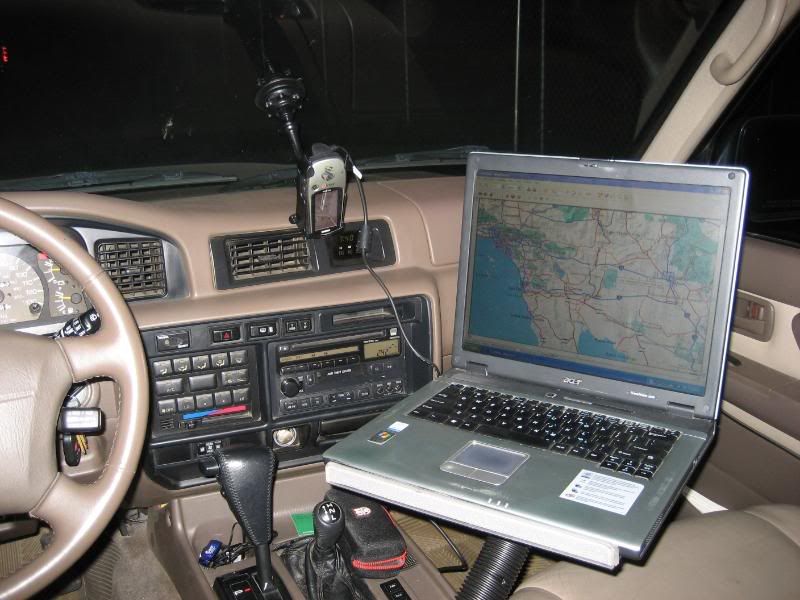
Know how to use a map and compass. Know how to operate a GPS as it is an invaluable tool for identifying your location at any given time. Have paper maps of the places you are going to visit. My vehicle is set up with a laptop mount so I can mount my lap top and sync it with my Garmin Etrex Vista gps for assisting me in planning my routes, as well as providing live navigation information on a large computer screen. It is something I recently have been exploring, and it came real handy during my last trip thru north Baja.


I also carry a portable CB radio with temporary mount CB antenna when riding along in a group, as it is a requirement to be able to communicate with others during back country adventures.

Additional Modifications

Diff & Gearbox breather extension
The Toyota differential breather hoses terminate too low on the body frame to provide enough protection during water crossings, which can lead to water and gear oil mixing up in your differentials, thus requiring draining and refilling of your differential gear oil after wards, as you do not want to be driving with water in your differentials for long periods of time. An easy modification can be done to resolve this by buying a few dollars worth of ID fuel line, some clamps and extending the differential breather hoses at a higher location inside the engine bay. Again, this is a required, cheap modification if you plan on doing the occasional creek and river water crossings during your back country adventures.


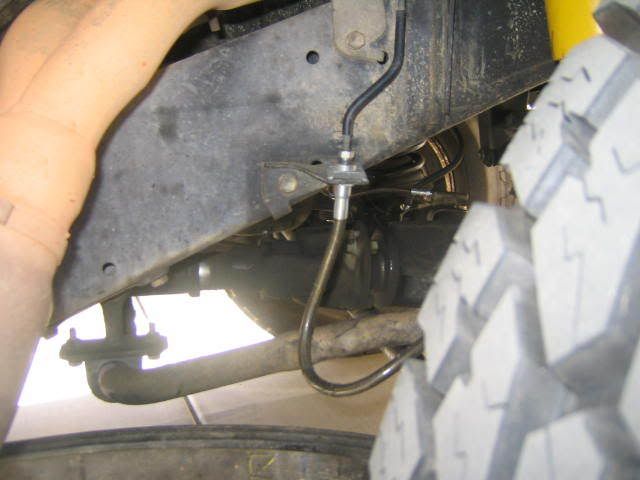
Extra Length Stainless Steel brake lines

Having longer travel shocks with the 3" suspension can cause the stock brake line to snap during full articulation. That would ruin any trail run. Longer brake lines address this issue.


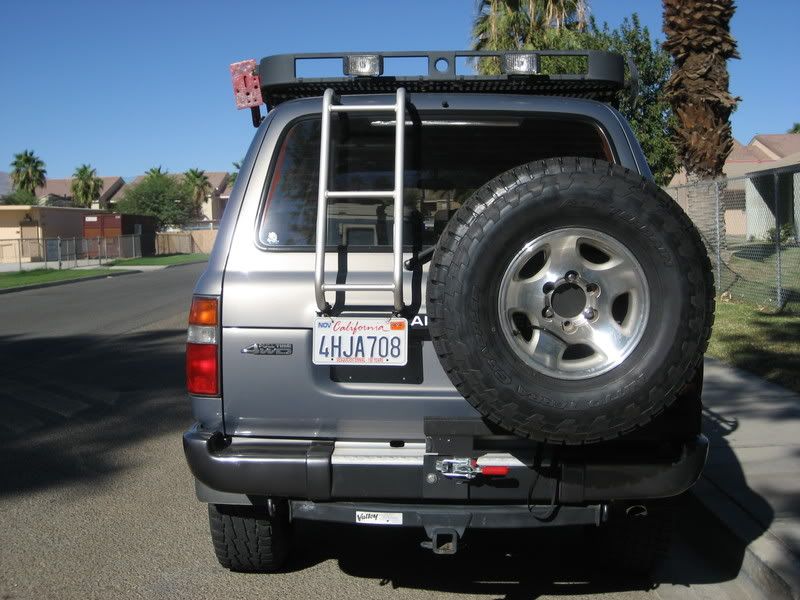
Tire Carrier modified to the OEM rear bumper
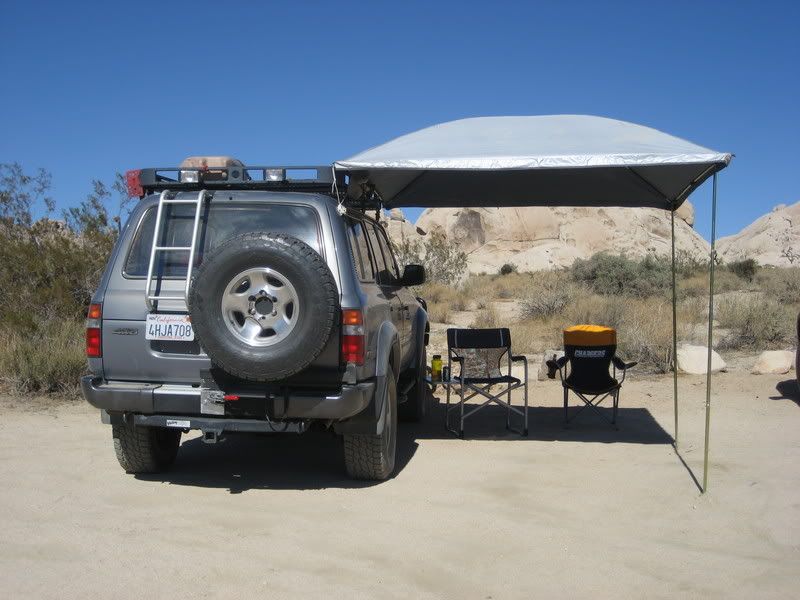
I borrowed from a design off the internet to have a local fabricator build me a custom tire carrier that swings, and that fits on the existing rear bumper. It is a much more convenient way of carrying your spare tire, as having the spare tire in its original location under the rear of the land cruiser robs you of clearance, and increases the likelihood of puncturing your spare when going over rock obstacles.


Here you can see the carrier and the SUV canopy set up. the SUV canopy is a great camping accessory as it provides much needed shade out in the desert or at the beach.


Limb risers

The odd looking cables running from the front bumper to the roof rack are meant to divert large overgrown tree branches and shrubs off the vehicle’s windshield, and thus avoiding breakage. It is a very camel trophy thing to do, and a popular modification for expedition vehicles.


Security Alarm with a hidden kill switch

This is almost a must when traveling in Mexico. A descent alarm coupled with a hidden starter kill switch is a good theft prevention and deterrent. You don’t want to leave your vehicle unattended when going to a good local restaurant and being surprised that your vehicle was stolen. A kill switch and alarm adds extra piece of mind.

Future mods
Future mods will include a snorkel to minimize the effect of dust on the engine (reliability.) I also plan on adding an automatic rear locker (improved traction,) a winch (recovery,) adding dual batteries (recovery) and finish the list with a 12v fridge, so I never have to worry about keeping things cold or dealing with soggy food.